Maple Lineage
Research and records
- Archive and registry searches
- Certified copies of vital records
- A plain-language lineage report
- An organized evidence file
Canadian citizenship by descent
If a parent, grandparent or earlier ancestor was Canadian, the law may already count you as a citizen. We trace your family line in the archives, a licensed representative files for your proof of citizenship, and the passport follows.
What changed
For years, Canadian citizenship passed only to the first generation born outside the country. A child born abroad to a Canadian who was also born abroad was usually left out.
On December 15, 2025, Bill C-3 changed that. For people born before that date, citizenship by descent now reaches the second generation born abroad and beyond, as long as the family line holds at every step.
This is not an immigration application. If the law covers you, you are a citizen already. The application is for the certificate that proves it.
A simplified picture for people born before December 15, 2025. Every real line is checked against the rules in force at each birth.
On the record
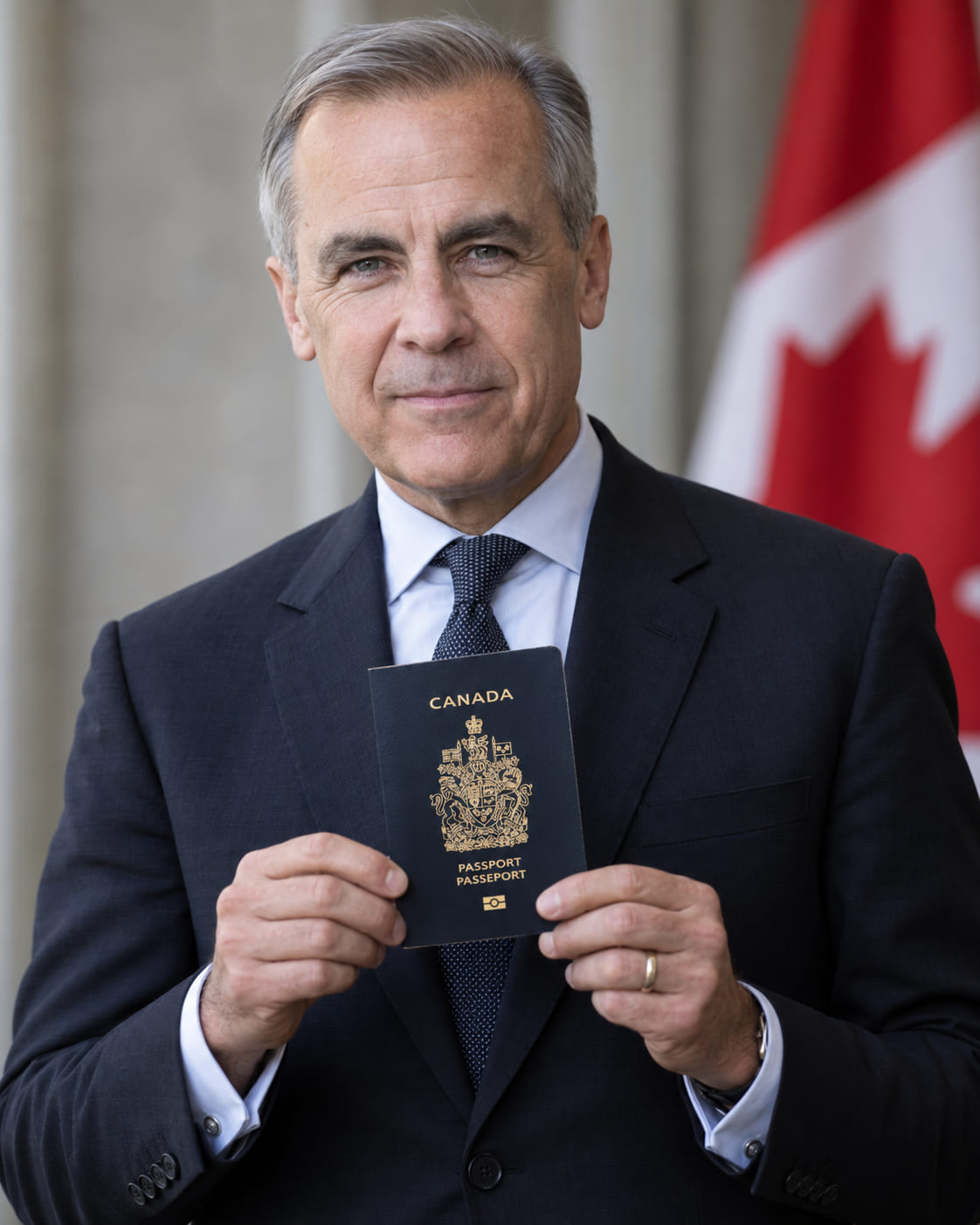
Nobody slips through a loophole here. Parliament voted to recognize these families as Canadian, and the law gives a citizen by descent the same standing as one born in Toronto.
Minister of Immigration, Refugees and Citizenship, November 21, 2025
“It will provide citizenship to people who were excluded by previous laws, and it will set clear rules for the future that reflect how modern families live.”
Citizenship Act, section 6
“A citizen, whether or not born in Canada, is entitled to all rights, powers and privileges”
Charter of Rights and Freedoms, section 6(1)
“Every citizen of Canada has the right to enter, remain in and leave Canada.”
Quoted from the official sources linked above. Maple Lineage is a private company and is not affiliated with or endorsed by the Government of Canada.
What the passport stands for
A permit lets you stay for now. Citizenship is a different kind of status. It doesn't expire, it isn't tied to an employer, and nobody reviews it every few years.
No permit dates to track and no extensions to file. Citizenship stays with you for life.
No employer-specific permit and no labour market assessment. Take any job in any province.
Citizens have a constitutional right to enter Canada. There is no residency rule to keep your status.
A widely accepted travel document, with consular help from Canadian missions abroad.
Vote in federal, provincial and local elections, and stand for office yourself.
Children born in Canada are citizens at birth. Children born abroad can be too, under the 1,095-day rule.
Canada allows dual and multiple citizenship. Check whether your other country does too.
Canadian citizens in eligible professions can apply for TN status under the CUSMA trade agreement.
Before and after
Today
With proof of citizenship
Until a citizenship certificate is issued, your current status and its conditions still apply. Keep it valid.
The process
Step 01
A few questions about your family line. You see an honest preliminary result straight away.
You, about 2 minutes
Step 02
We find your Canadian ancestor in the archives and map every link between them and you.
Maple Lineage
Step 03
We obtain certified copies of the records that prove each generation, and resolve gaps and name changes.
Maple Lineage
Step 04
A licensed representative confirms your eligibility and files for your citizenship certificate with IRCC.
Licensed representative
Step 05
With the certificate in hand, you apply for a Canadian passport like any other citizen.
You
Who does what
Canadian law reserves citizenship advice and representation for licensed professionals. You should always know who is doing what, and who answers for it.
Maple Lineage
Licensed representative
Government of Canada
Where we look
A line of descent is proved with documents, one generation at a time. These are the sources we work through most often.
Baptisms, marriages and burials, often the only record of a birth before civil registration.
Provincial and territorial birth, marriage and death records.
Households listed with ages, birthplaces and relationships.
Crossings and arrivals that show when a family left or entered Canada.
Records of when an immigrant ancestor became a citizen.
Service files and land grants that confirm identity and place.
Client stories
The genealogy research was detailed and professional. They helped me trace my Canadian family roots and understand the documents I needed for my citizenship and passport application.
Excellent service from start to finish! The team helped me discover my ancestry in Canada and provided clear guidance on finding family records for my citizenship process.
I was impressed by the thorough research and personal support. Finding my family history in Canada felt much easier, and I now have a clearer path toward my citizenship application.
A very helpful and professional experience. The genealogy team guided me through historical records and family documents, helping me take the next steps toward Canadian citizenship.
Questions
It is Canadian citizenship that passes from a Canadian parent to a child born outside Canada. You don't apply to become a citizen. If the law covers you, you already are one. What you apply for is a citizenship certificate, the document that proves it.
Until then, citizenship by descent generally stopped at the first generation born outside Canada. Bill C-3 removed that cut-off for people born before December 15, 2025. If your Canadian parent was also born abroad, you may now be a citizen through them.
For children born outside Canada on or after that date, a Canadian parent who was also born abroad must have spent at least 1,095 days in Canada before the birth.
They are separate things. A permit or a permanent residence application asks Canada to let you stay. Proof of citizenship confirms a status you already hold by law, and a citizen needs no permit at all.
Until a citizenship certificate is issued, keep your current status valid and follow its conditions. A licensed representative can advise you on how the two fit together.
The research. We find your Canadian ancestor in the archives, obtain certified copies of the records that link each generation, and assemble them into an organized evidence file.
We don't advise you on your eligibility and we don't file your application. A licensed representative does that part.
Yes. The forms and guides are free on the Government of Canada website, and you never need to hire anyone to apply.
People come to us when the hard part is the evidence: tracking down a great-grandmother's baptism record, or proving that two spellings of a surname belong to the same person.
The eligibility check and the first review are free. If your line looks viable, you receive a written quote for the research and records before any paid work starts. The representative's fee for advice and filing is set out in a separate agreement with them.
Government fees go to the government: $75 for a citizenship certificate at the time of writing.
Start here
The check is free and takes about two minutes. If your line doesn't qualify, we'll tell you so.